Physical Address
304 North Cardinal St.
Dorchester Center, MA 02124
Physical Address
304 North Cardinal St.
Dorchester Center, MA 02124

Nestled in the chalk-stream valleys of the Frome, Cattistock doesn’t just sit in the landscape; it anchors it. To the casual traveler, it looks like a postcard of rural England. To those who study the evolution of Dorset’s social fabric, it represents a rare, unbroken continuity of English village life. While the world outside accelerates, Cattistock has mastered the art of intentional preservation.
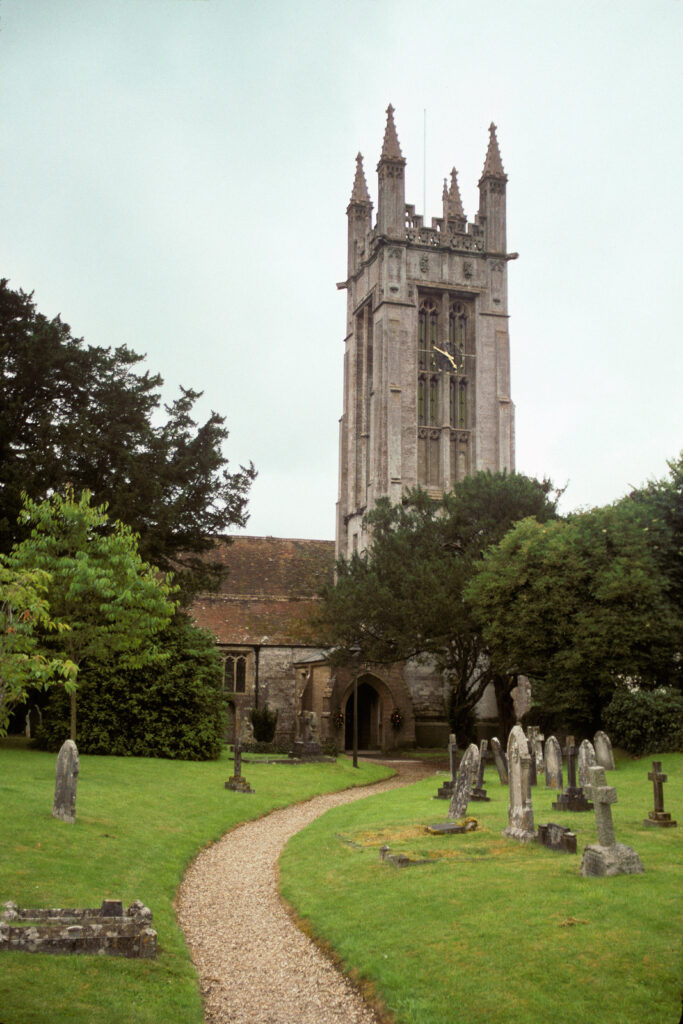
You cannot discuss Cattistock without looking up. The village is dominated by the Church of St Peter & St Paul, a masterpiece of Gothic Revival architecture that stands as a testament to the influence of the Digby family.
While the foundations date back much further, the building we see today is largely the work of George Gilbert Scott and his son, George Gilbert Scott Jr. It is a soaring, ambitious structure. The tower, completed in 1876, is often cited by historians as one of the finest examples of Victorian ecclesiastical design in the South West. Inside, the craftsmanship is equally relentless. The baptistery and the intricate carillon – one of the few in the country – provide a sensory link to the 19th-century High Church movement.
It isn’t just a relic, though. The church remains the literal and metaphorical center of the community, its bells still marking the rhythm of the seasons as they have for generations.
Dorset is famous for its quirks, but nothing captures the local spirit quite like the Dorset Knob Throwing and Frome Valley Food Festival.
The Dorset Knob – a hard, dry, savory biscuit – is a local icon. Historically, these biscuits were made by the Moore family from leftover bread dough, butter, and sugar. What began as a local snack evolved into a competitive sport that drew thousands to the village.
A Note on Modern Tradition: Following a brief hiatus due to its sheer popularity outgrowing local infrastructure, the festival has evolved. In 2026, the focus has shifted back toward a community-centric celebration of the biscuit’s heritage, emphasizing local craftsmanship over mass-market tourism.
It’s an odd sight, certainly. Seeing grown men and women hurl biscuits across a field might seem trivial, but it represents something deeper: a refusal to take life too seriously, even when protecting a centuries-old identity.
The soil here dictates the menu. Cattistock sits at the heart of a “farm-to-table” ecosystem that existed long before the term became a marketing buzzword. The local gastronomy is defined by the lush grazing lands of the Frome Valley, which produce some of the finest dairy and meat in England.

How does a village of a few hundred people stay relevant in the mid-2020s? For Cattistock, the answer lies in ownership.
The village shop and post office are more than retail outlets; they are community-owned assets. In an era where rural services are often stripped back, Cattistock has doubled down on self-sufficiency. This isn’t about being “stuck in the past.” It’s a deliberate strategy to ensure that the village remains a lived-in community rather than a collection of weekend cottages.
Local planning in 2026 focuses heavily on “sympathetic evolution.” New developments are rare and strictly regulated to match the Hamstone and flint aesthetics that define the village. This ensures that while the internal technology of the homes is modern, the visual language of the streetscape remains unchanged.
For those conducting academic research or looking into local genealogy, the following resources provide the most comprehensive data on the parish:
Cattistock remains a rare thing: a place that knows exactly what it is. It doesn’t need to reinvent itself to please the modern world. It simply invites the world to slow down and notice the details.